Why a Color Change Wrap is the Smartest Upgrade for Your Car in Singapore
@mycolorchangewrappath
Driving in Singapore means living with sun, rain, and the occasional tight carpark. Over time, even a well-maintained car starts to look tired. The clear coat fades, minor scratches appear, and the factory colour begins to feel a bit ordinary. This is where a premium car wrap becomes more than just a cosmetic choice. It is a practical investment that protects your car while giving it a new personality. A color change wrap does exactly what the name suggests: it transforms the entire appearance of your vehicle without the commitment or cost of a full respray.
What Makes a Color Change Wrap Different from a Standard Wrap
Not all wraps are created equal. Many people think of car wrapping as purely a marketing tool for commercial fleets or a way to cover up existing damage. But a proper color change wrap is a deliberate aesthetic upgrade. It uses high-quality vinyl wrap materials like those from Avery Dennison, 3M, Oracal, or KPMF. These films are designed to conform to compound curves, resist UV fading, and peel off cleanly years later without damaging the factory paint.
A color change wrap covers the entire exterior of the car, including door jambs and edges if done well. The result is a finish that looks painted, not stuck on. Whether you choose a gloss finish, a matte finish, or something in between like a satin finish, the film becomes part of the surface. It wraps around contours, follows body lines, and even hides minor imperfections in the original paint. In Singapore, where humidity and heat accelerate wear, a properly installed wrap from a reputable studio can last three to five years or more with basic care.
Choosing the Right Finish for Your Car
The finish you pick changes how light interacts with the car. A gloss finish gives depth and shine, similar to a well-polished clear coat. It works well on darker colours and makes the car look wet even when dry. A matte finish, on the other hand, absorbs light and gives a modern, understated look. It hides fingerprints and light scratches better than gloss, which is a practical advantage for daily drivers. Satin finish sits somewhere in between: a soft sheen that is not too flashy but still catches the eye.
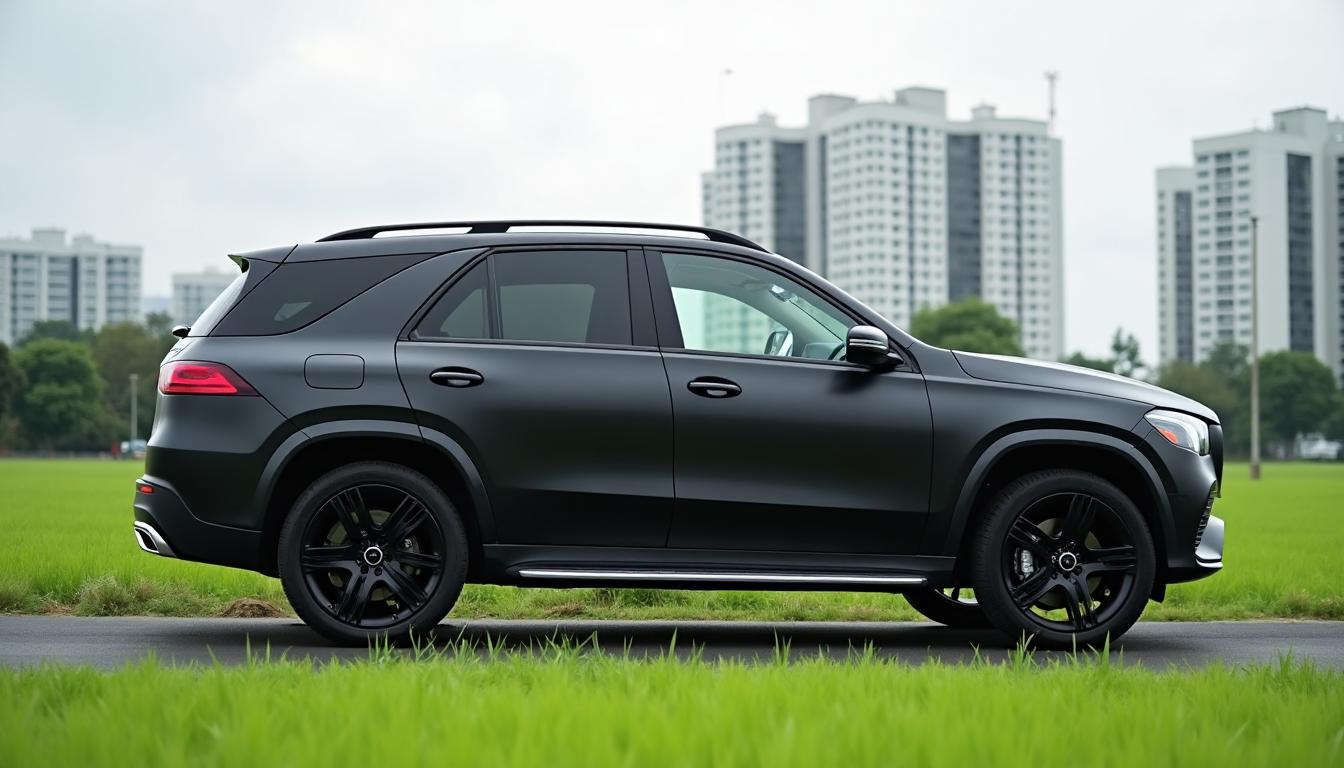
Beyond solid colours, there are metallic wraps that shift tone in direct sunlight. A metallic wrap from brands like 3M or Avery Dennison can look silver in the shade and gold or copper in bright light. Glitter wrap is another option, popular for cars that attend shows or meetups. It has small reflective particles suspended in the film that sparkle under direct light. For something more subtle, brushed metal finishes mimic the texture of raw aluminium or stainless steel, giving the car an industrial edge without being loud.
One of the more striking choices in recent years is matte chrome. It combines the non-reflective surface of a matte finish with the reflectivity of chrome, creating a look that is both muted and mirror-like. It is a tricky material to install because it shows every seam and bubble, but when done right, it is unforgettable.
Specialty Wraps: Carbon Fiber and Textured Films
Not every color change wrap is about colour alone. Some drivers want texture. Carbon fiber wrap is a popular choice for accent pieces like the hood, roof, or mirrors. It adds a technical, sporty feel without changing the base colour of the car. The film is embossed with the signature weave pattern and can be finished in gloss or matte. Brands like Hexis and Oracal produce carbon fibre films that are thick enough to hide small dents while still being pliable around curves.
Textured films also include options like leather grain or brushed metal. These are less common for full wraps but work well on specific panels. The key is to keep the texture consistent across the car. A full wrap in a brushed metal finish from KPMF, for example, requires the installer to orient each panel in the same direction so the grain flows naturally from front to back.
Why Colour Change Wraps Make Sense in Singapore
Singapore has one of the most humid climates in Southeast Asia. Respraying a car is a major commitment. It takes days, sometimes weeks, and involves stripping the car of its trim, sanding the original paint, and baking on new layers in a controlled booth. If the work is not done perfectly, the paint can bubble, peel, or mismatch under different lighting. A color change wrap avoids all of that. The process takes a few days at most, and the car remains drivable in between sessions if the studio allows it.
Another practical reason to choose a wrap is resale value. A well-maintained factory paint job is still the most desirable when selling a car. A color change wrap protects that original paint from sun damage, bird droppings, tree sap, and minor abrasions. When you decide to sell, you can have the wrap removed to reveal the original colour underneath, often in pristine condition. That alone can add a few thousand dollars to the resale price, more than covering the cost of the wrap itself.
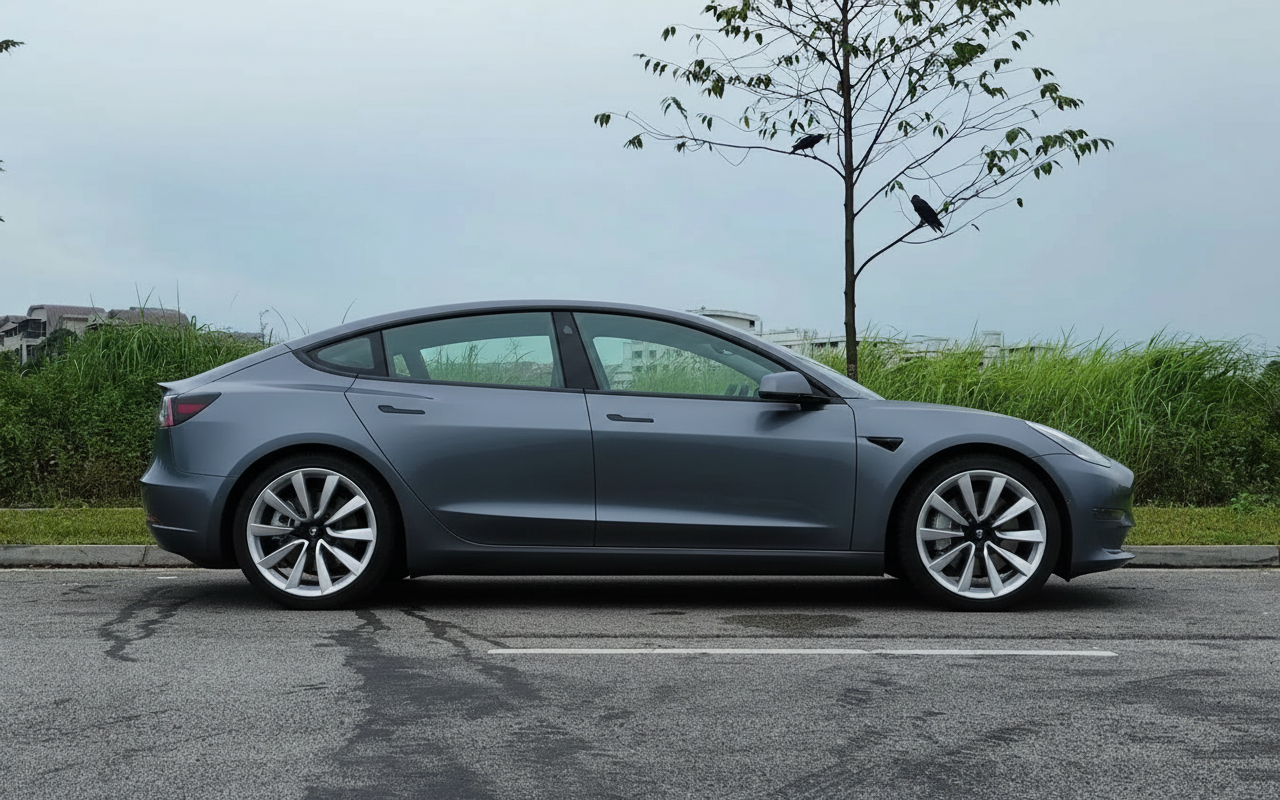
There is also the matter of personalisation. In a country where car ownership is expensive and COE limits the number of vehicles on the road, many people keep their cars for longer. A wrap lets you change the look every few years without buying a new car. You can go from a conservative grey to a vibrant teal, or from a pearl white to a deep metallic burgundy. The range of colours and finishes from brands like 3M, Avery Dennison, and Oracal is vast, and most reputable studios carry hundreds of swatches.
Some studios in Singapore now offer a custom wrap preview. This is a game changer for anyone who is unsure about committing to a full colour change. Instead of guessing how a swatch will look on the actual car, you can see a digital render of your exact vehicle in the chosen colour and finish. That removes the risk of disappointment and helps you make an informed decision. Many of these studios also provide a free quote after the preview, so you know the cost before any material is ordered.
Installation Quality Matters More Than the Film
Even the best vinyl wrap from Hexis or KPMF will look terrible if it is installed poorly. Wrapping a car is not like applying a sticker to a laptop. It requires heat guns, squeegees, and steady hands. The film must be stretched evenly over compound curves like the front bumper and the side mirrors. If the installer overheats the material, it can thin out and change colour. If they underheat it, the wrap will not conform and will lift at the edges.
A good installer will also remove trim pieces like door handles, light housings, and logos before wrapping. This allows the film to wrap around the edges and tuck into seams, creating a seamless look. Some studios cut corners by wrapping over these parts, which leaves visible edges that collect dirt and moisture over time. When you pay for a premium car wrap, you are paying for the labour as much as the material. It is worth asking the studio about their process before handing over the keys.
Another detail that separates a professional job from an average one is the treatment of door jambs and the inside edges of panels. A full color change wrap should cover these areas if the original colour is very different from the new one. For example, wrapping a white car black without doing the jambs will leave white strips visible every time you open a door. Some studios offer a partial jamb wrap at a lower cost, but for a true colour change, full jambs is the way to go.
Maintenance and Longevity
Once the wrap is on, keeping it clean is straightforward. Hand washing with a mild car shampoo and a soft microfiber cloth is all it needs. Avoid automatic car washes with brushes, as they can lift the edges of the film. In Singapore, parking in shaded or covered lots helps extend the life of the wrap, but modern films from 3M and Avery Dennison are formulated to resist UV damage even in direct sun. Most wraps come with a warranty of five to seven years, but actual lifespan depends on exposure and care.
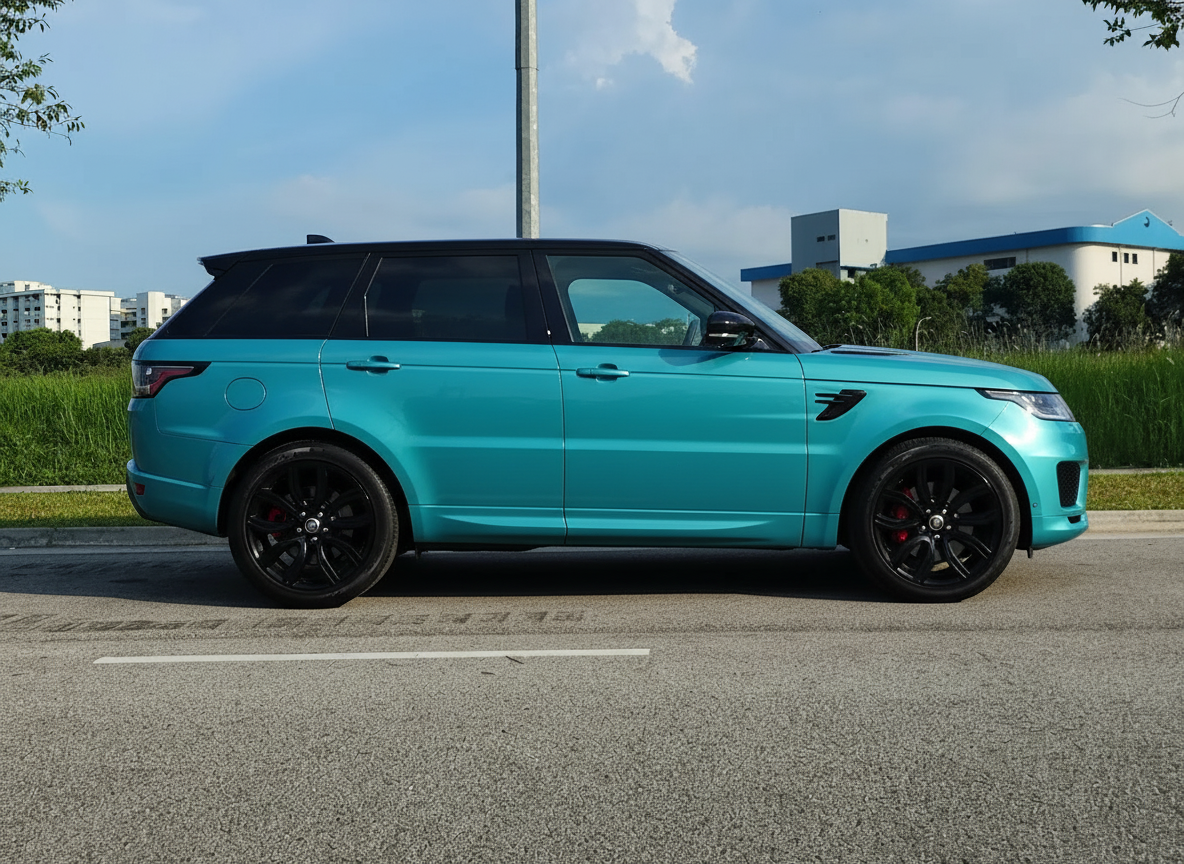
If a panel gets damaged, a good studio can replace just that section without re-wrapping the whole car. They will match the colour and finish from the same batch of film to avoid any slight variation. This is another advantage over paint, where a touch-up often requires blending into adjacent panels.
Final Thoughts
A color change wrap is not just a trend. It is a practical, reversible way to refresh your car and protect its original paint. In Singapore, where the climate is tough on exteriors and the cost of a new car is high, wrapping gives you the freedom to change your car's look without a long-term commitment. Whether you want a gloss finish that turns heads at a meetup, a matte finish that looks stealthy on the road, or a metallic wrap that shifts colour in the sun, the material options are better than ever. Brands like Avery Dennison, 3M, Oracal, KPMF, and Hexis offer films that are durable, colourfast, and removable. Pair that with a skilled installer and a studio that offers a custom wrap preview and free quote, and you have everything you need to make the switch with confidence.